Floor insulation is one of the simplest ways to make a home warmer, more energy efficient, and more comfortable. Most households only realise how much heat their property was losing once the work has been done.
Whether you have a draughty suspended timber floor or a cold concrete slab, the right insulation can transform your living space. These case studies show how different homeowners approached floor insulation and the results they noticed afterwards.
Case study 1: Victorian terrace in Manchester
Problem: Cold floors, constant draughts, and rising heating bills.
Solution: Mineral wool insulation between joists.
Floor type: Suspended timber floor.
Tom and Priya live in a Victorian terrace with original floorboards that looked great but felt freezing in winter. Even with the heating turned up, cold air came through the gaps, and the rooms never felt comfortable. They suspected the void beneath the floor was the main cause.
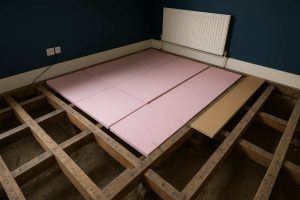
Once the boards were lifted in the hallway and living room, installers confirmed that the space was completely uninsulated. Mineral wool insulation was fitted tightly between the joists and secured with netting, and ventilation was checked to make sure moisture would not become a problem.
Results: Within days, the floors felt noticeably warmer. The couple no longer felt chilly draughts rising from below, and their heating stopped running for long stretches. Their quarterly bill fell by just over 15%. Priya said it was the most worthwhile improvement they had made to the house.
Case study 2: 1960s bungalow in Kent
Problem: Concrete floor always cold, even with rugs.
Solution: Rigid foam insulation above the slab with a new floating floor.
Floor type: Solid concrete floor.
Lisa lives in a 1960s bungalow with a concrete floor that used to be cold all year round. Rugs made little difference, and her gas bills kept climbing. As she was already planning new flooring as part of a small renovation, she looked into insulating the concrete slab at the same time.
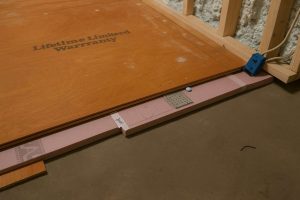
Installers fitted PIR rigid foam boards on top of the existing concrete and added a vapour barrier before installing a floating timber floor. The slight increase in floor height did not affect doors or skirting boards, which made the process straightforward.
Results: The home now feels much warmer, and the heating system does not need to run as often. Lisa says she can comfortably walk barefoot for the first time and estimates that her annual heating costs have dropped by around 10%. She wishes she had insulated years earlier.
Case study 3: Semi-detached family home in Birmingham
Problem: Uneven heat after installing underfloor heating.
Solution: Insulation beneath electric underfloor heating mats.
Floor type: Solid floor with new underfloor heating.
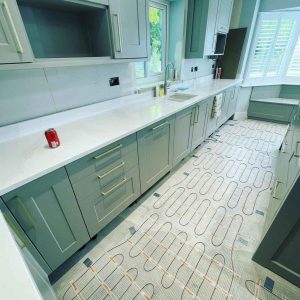
The Ahmed family added electric underfloor heating during a kitchen extension. They expected an evenly heated space, but instead found patches of the floor stayed cold, especially along the outer walls. After some investigation, the issue became clear. Heat was being lost into the concrete base because there was no insulation beneath the heating mats.
To remedy this, installers removed the tiles and fitted high-density insulation boards beneath the heating system. Once everything was reinstalled, the improvement was instant.
Results: The kitchen now heats much faster. The tiled floor no longer feels warm in some places and cold in others. Overall, the system uses less electricity. The family say the kitchen is cosy for the first time.
Case study 4: Cottage renovation in North Yorkshire
Problem: Draughty floors and poor sound insulation.
Solution: Sheep wool insulation between joists.
Floor type: Suspended timber floor.
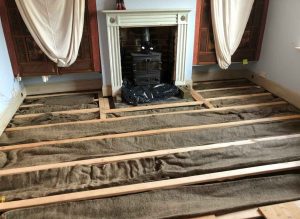
Sarah and Luke were renovating a nineteenth-century cottage and wanted to do it in a sustainable way. They therefore chose sheep wool insulation because it is natural, breathable, and excellent for reducing both heat loss and noise.
The original boards were lifted and the joists inspected before installers placed the wool between them. Mesh netting held the insulation securely while the boards were refitted.
Results: The draughts that had been blowing across the cottage floor have disappeared. In addition, footsteps around the property sound softer and less hollow. The couple were pleased with the comfort boost and the environmental benefits of using a natural material.
Case study 5: Modern home in Cardiff
Problem: High heating costs despite good loft and wall insulation.
Solution: Rigid foam floor insulation during extension works.
Floor type: Solid concrete floor.
 Megan could not understand why her heating bills stayed high even though the rest of her home was well insulated. A thermal imaging survey revealed that the uninsulated concrete floor was allowing a surprising amount of heat to escape.
Since a rear extension was already planned, she used the opportunity to add rigid foam insulation to both the new and existing floor areas. This created a consistent insulating layer across the ground floor.
Results: Warmth now stays in the home for much longer, and the heating system is used far less. Megan has already recommended floor insulation to neighbours after seeing a reduction of around 12% in her own bills.
Case study 6: 1930s semi-detached house in Bristol
Problem: Cold lounge and dining room with noticeable gaps in the floorboards.
Solution: Fibreglass rolls between joists with ventilation improvements.
Floor type: Suspended timber floor.
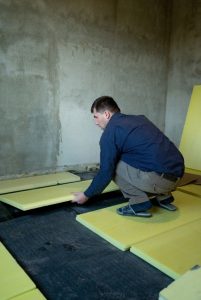 Jonathan and Ben loved the original character of their 1930s home, but the draughts coming through the lounge and dining room were making winter uncomfortable. Cold air rose through the gaps in the floorboards, and the rooms never felt warm.
Installers accessed the void through an external hatch and fitted fibreglass insulation rolls between the joists. They also sealed gaps around pipes and upgraded the air vents to maintain healthy airflow and avoid future moisture issues.
Results: The difference was clear as soon as temperatures dropped. The rooms stayed warm without cold spots, and the couple noticed a 12% reduction in gas usage through their smart meter. They reported that evenings in particular became much more comfortable without the need to adjust the thermostat constantly.
Ready to make your home warmer and more efficient?
If you are considering floor insulation or want advice tailored to your home, we are here to help. Speak to our team and get clear, friendly guidance. Visit floorinsulation.co.uk/ask-a-question to send us your query and take the first step towards a warmer and more efficient home.