What is floor thermal insulation?
Floor thermal insulation involves adding insulating materials above or beneath a building’s floor to reduce heat loss, improve comfort, and lower energy bills. It helps keep indoor temperatures stable by preventing warmth from escaping through the ground, which is especially important in older homes and properties with uninsulated floors.
Whether you have suspended timber or a solid concrete floor, the right insulation can make a noticeable difference to comfort and efficiency. It also supports better building performance in commercial spaces, rental properties, and new developments that aim to meet modern energy standards.
Why is floor thermal insulation important?
Floor thermal insulation is important because up a home’s heat can be lost through uninsulated floors. This level of heat loss not only raises energy bills but also makes ground floors feel cold, draughty, and uncomfortable. By adding insulation, you make your home warmer, quieter, and more energy efficient.
For builders, architects, and developers, thermal insulation is crucial for meeting modern energy requirements, enhancing EPC ratings, and ensuring long-term performance in residential and commercial buildings. It is also a key component in low carbon design, helping projects meet sustainability targets and future regulatory expectations.
What types of floor thermal insulation are available?
There are several types of floor thermal insulation available in the UK, and the best option depends on whether you have a suspended floor or a solid concrete floor. Both aim to reduce heat transfer through the ground, but their methods of installation differ.
Suspended timber floors
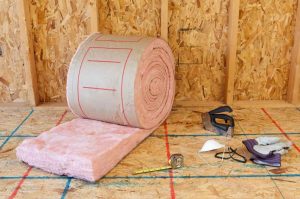
Suspended timber floors are insulated by placing materials between the joists underneath the floorboards. This approach reduces draughts and prevents warm air from being pulled out of the living space. Common materials include:
- Mineral wool or fibreglass rolls;
- Rigid PIR or EPS insulation boards; and
- Sheep’s wool, hemp, or other natural insulation solutions.
Ventilation must be maintained to prevent damp and mould, which makes correct installation especially important. This method works well in older homes and in buildings with accessible subfloor voids, where upgrading insulation can significantly increase comfort.
Solid concrete floors
Solid floors are usually insulated by installing materials on top of the concrete slab. This method is suited to renovations, refurbishments, and new build projects. Common techniques include:
- Rigid PIR, EPS, or XPS boards under new flooring;
- Insulated screed systems; and
- Floating floor systems with insulation beneath chipboard or plywood.
Because this approach changes the finished floor height, it is often planned as part of a larger renovation or extension. It is also a popular choice in commercial spaces where durable, long-lasting insulation is required.
Underfloor heating with insulation
Floor thermal insulation is essential when installing underfloor heating. Insulation is placed beneath the heating pipes or cables to push heat upwards into the room rather than into the ground. This significantly enhances the efficiency of both electric and water-based systems, ensuring fast warm-up times. Many architects and developers specify this combination as standard in new homes because of its energy-saving benefits and consistent heat distribution.
How much does floor thermal insulation cost?
The cost of floor thermal insulation in the UK typically ranges from £10 to £40 per square metre, depending on:
- The insulation material;
- Required thickness;
- The complexity of the floor structure;
- Labour and access; and
- Whether flooring needs to be lifted or replaced.
Suspended floor insulation can sometimes be completed as a DIY project using mineral wool, although professional installation is recommended for safety and quality. Solid floor insulation typically requires professional installers, particularly if screed needs to be relaid or the floor level must be adjusted.
Developers and contractors working on multi-property projects may benefit from bulk supply, reduced waste, and installation efficiencies that increase overall project value.
Do you need floor thermal insulation for building regulations?
You need floor thermal insulation for building regulations when constructing a new property or converting an existing space into a heated room. Floors must meet specific U-value targets that minimise heat loss and ensure energy efficiency. In England, Wales, and Northern Ireland, the target is typically 0.25 W/m²K, while Scotland has a stricter requirement of 0.15 W/m²K.
Building control officers will expect:
- U value calculations;
- Details of insulation type and thickness; and
- Evidence of correct installation during inspection.
Even when regulations do not require insulation, such as in unheated outbuildings, adding it can still enhance comfort and reduce cold transfer to adjoining rooms, which helps with EPC outcomes.
Are grants available for floor thermal insulation?
Grants specifically for floor thermal insulation are limited, as most schemes focus on wall, loft, or heating upgrades. However, funding may still be available if floor insulation forms part of a wider home improvement plan that raises the EPC rating. You may be eligible for support under:
- Home Energy Scotland (For Scottish Residents).
- Local Authority Delivery schemes.
- Home Upgrade Grant for off-grid properties.
These programmes change frequently, so it is worth checking with approved installers or your local authority for the latest opportunities.
What are the benefits of floor thermal insulation?
Floor thermal insulation offers a range of benefits for homes and commercial buildings, including:
- Reduced heat loss and lower energy bills;
- Warmer, more comfortable living spaces;
- Better sound insulation on ground floors;
- Fewer draughts from gaps and vents;
- Improved EPC ratings and long-term property value;
- Better performance from underfloor heating; and
- Reduced condensation and moisture issues.
For architects, contractors, and developers, specifying high-quality insulation helps future-proof a property, supports sustainability goals, and contributes to regulatory compliance.
Improve your property with high-quality floor insulation
Floor thermal insulation is one of the most effective ways to improve energy efficiency, boost comfort, and increase the value of your home or project. Whether you are renovating, converting a space, or planning a new build, the right insulation solution can provide long-lasting benefits.
 concrete slab) and then covered with a new “floating” floor layer that isn’t fixed with nails or screws. Instead, the weight of the floor and skirting boards holds it in place. This creates a thermal and acoustic barrier without penetrating the insulation material.